

Essential Watch Care Tips for the Modern Gentleman

Today’s theme: Essential Watch Care Tips for the Modern Gentleman. A refined watch deserves more than admiration—it deserves thoughtful, consistent care. Discover practical routines, timeless wisdom, and real-world advice that keep your timepiece precise, presentable, and personal. Read on, share your own rituals, and subscribe for more gentlemanly insights.

The Two-Minute Clean That Saves a Lifetime

At day’s end, wipe your watch with a clean microfiber cloth, working around the lugs and caseback where sweat and dust build. If needed, use a lightly damp cloth for the case and bracelet, then dry thoroughly. This simple ritual prevents grime from becoming abrasive, keeps gaskets cleaner, and preserves that satisfying, understated shine.

Winding With Intention, Not Force

If your watch is hand‑wound, turn the crown slowly and stop when gentle resistance meets your fingers. For automatics at rest, a dozen careful turns wake the movement without strain. Never rush or wind on your wrist; support the watch in your palm. Treat the crown like a handshake—confident, not crushing—and your mainspring will thank you.

Setting Time and Date Without Damage

Move the hands past midnight to observe the date change, confirming day–night orientation. Avoid using the quickset date during the movement’s “danger window,” typically around 9 p.m. to 3 a.m., when gears engage. If unsure, advance the hands to 6 a.m., then quickset the date safely. Precision here prevents bent levers and costly service surprises.

Water Resistance, Decoded

A 30 m rating suits occasional splashes, 50 m tolerates light swimming, and 100 m or more is for stronger water exposure. Ratings reflect lab pressure, not literal depth. Hot showers, saunas, and sudden temperature changes can stress seals. Respect the spec, and you protect both the dial’s beauty and the movement’s quiet, working heart.

Water Resistance, Decoded

Before water, ensure the crown is fully pushed in or screwed down. A crown left ajar, even slightly, invites trouble. After a beach day, rinse the case and bracelet in fresh water to remove salt. This small habit protects gaskets from corrosion and preserves the confident click you feel each time you secure your crown.
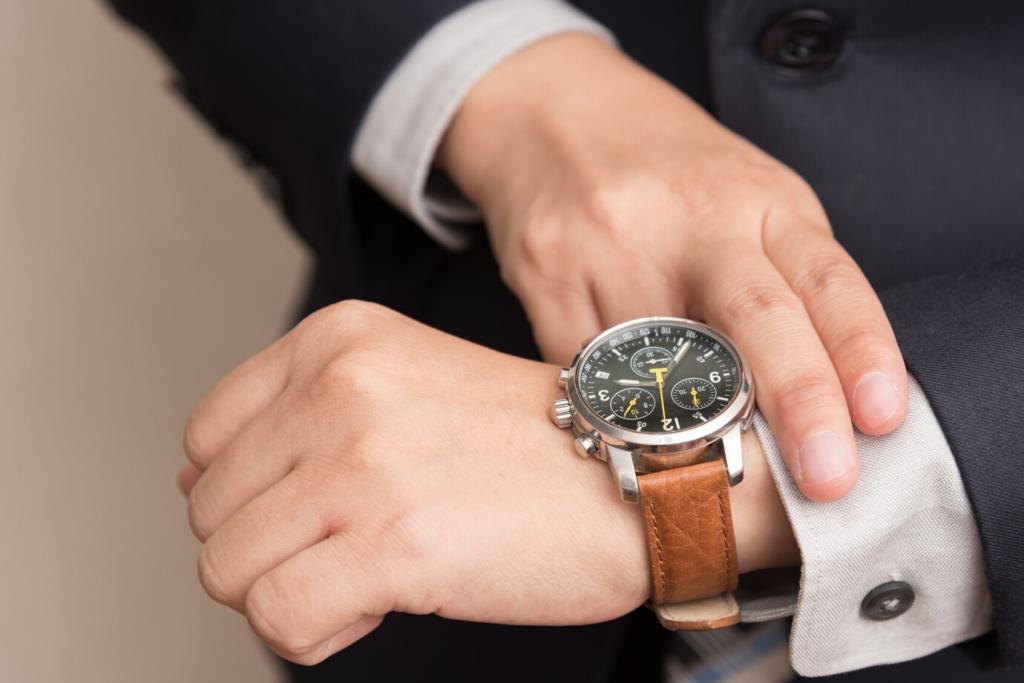
Rotate leather straps so each rests between wears, allowing moisture to dissipate naturally. Avoid saturating with conditioners; a sparing touch keeps pores clear. If rain strikes, pat dry and let it air—never force heat. Over time, a well‑cared leather strap develops a rich, personal patina that tells your story without saying a word.

Smart Storage and Safe Travel

Keep watches in a dry, stable environment away from direct sunlight and extreme temperatures. A lined watch box or soft pouch prevents friction marks. If you prefer winders for automatics, choose gentle, manufacturer‑appropriate programs. The goal is simple: let your watch sleep soundly, so it wakes accurate, poised, and ready for the day.

Timing the Tune‑Up

Mechanical watches often benefit from service every three to seven years, depending on sealing, wear, and accuracy demands. Warning signs include erratic timekeeping, moisture under crystal, or rough winding. Quartz pieces need battery changes plus periodic gasket refresh. Keep notes; your log becomes a quiet biography of care and conscientious ownership.

Factory Service or Independent Maestro?

Authorized centers carry original parts and brand procedures; skilled independents can offer personalized attention and shorter queues. Evaluate equipment, transparency, and warranty. Request a written scope: gaskets, regulation, polishing preferences, water‑resistance test. The right choice is the one that respects your watch’s history and your desire for thoughtful, lasting workmanship.

Documenting Today Protects Tomorrow

Save receipts, timing results, and part lists in a simple folder or digital vault. Documentation supports resale value, assists insurance claims, and guides future service. Consider photographing caseback numbers before service. Share how you track your watch’s health, and subscribe for our downloadable maintenance log formatted for both mechanical and quartz owners.

Using Complications Carefully

Start and stop with decisive presses, avoid repeated rapid taps, and reset only when the chronograph is fully stopped. If water exposure is planned, keep pushers untouched unless rated for underwater use. Treat the mechanism like a finely tuned instrument, and it will record your splits with quiet precision for years to come.

Using Complications Carefully

Quickset functions are convenient, yet gears engage at night. Advance beyond midnight before adjusting, or move to a safe hour like 6 a.m. For moonphase, follow the manual exactly—small discs, delicate teeth. Share your complication of choice and what it means in your day, from meetings to midnight walks beneath a clear sky.

Stories That Keep Time

My friend inherited a modest dress watch from his grandfather—nothing flashy, yet it held a lifetime of careful winding and Sunday cloth wipes. A simple service restored its heartbeat. Now he wears it for interviews, feeling steadier with each tick. Share your heirloom tale; your story might help someone start a maintenance habit today.

Stories That Keep Time

We all remember it: that first hairline on a polished lug. After the sigh comes perspective. Scratches are the diary of a life lived, made gentler by routine care. Protect, don’t obsess. Tell us your first‑scratch story, and join our newsletter for mindful upkeep that keeps character without surrendering elegance.

Tools You Need, Lines You Shouldn’t Cross

A Gentleman’s Minimal Kit

Microfiber cloths, a soft brush, pH‑neutral soap, toothpicks for tight crevices, and a gentle blower handle most cleaning. A spring‑bar tool with guarded tips helps strap changes safely. Add a small torque‑limited screwdriver set if your bracelet uses screws. Share your kit photo and subscribe for our quarterly checklist of worthy, affordable upgrades.

When Not to Open the Caseback

Even a clean desk risks dust, slipping tools, and compromised seals. Without proper gaskets, pressure testing, and antistatic precautions, you endanger the movement. Leave internal work—regulation, lubrication, parts replacement—to qualified hands. Prudence here is not timidity; it is respect for craftsmanship and the thousands of invisible beats each hour holds.

Quartz Care Without Cutting Corners

Battery changes seem simple, yet gasket inspection and pressure testing still matter. If your quartz stops, replace the cell promptly to avoid leakage. Clean contacts only with appropriate tools, and reseal conscientiously. Tell us your quartz routine, and join our community for reminders that keep precision alive between those quiet, decisive ticks.
Benfeitscal
Privacy Overview

This website uses cookies so that we can provide you with the best user experience possible. Cookie information is stored in your browser and performs functions such as recognising you when you return to our website and helping our team to understand which sections of the website you find most interesting and useful.